A SEACOAST DERMATOLOGY ARTICLE
The “Perfect Storm”: Why New Hampshire Weather Triggers Acne
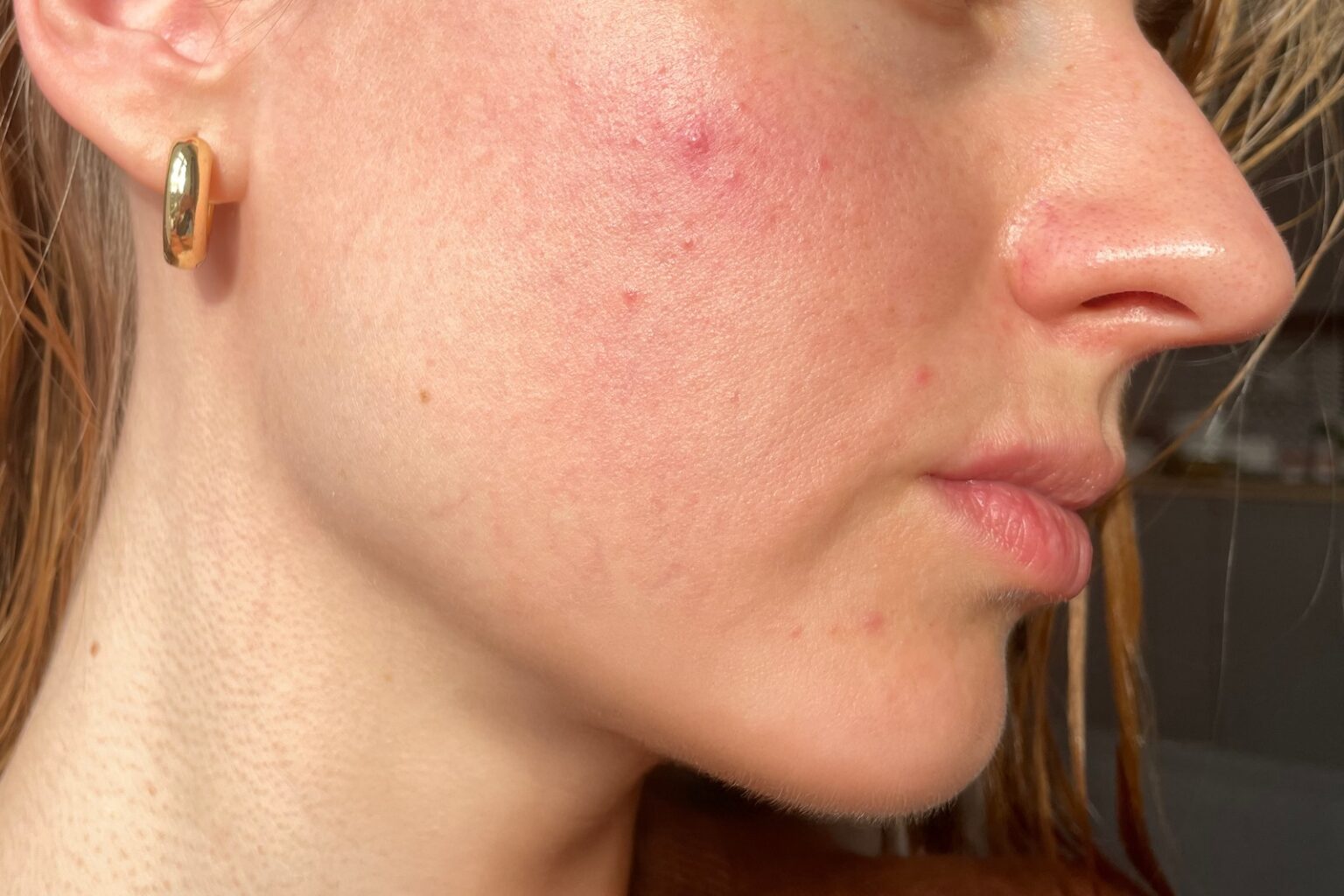
Whether you’re enjoying a summer day at Hampton Beach or bracing for a Nor’easter in the middle of January, New Hampshire’s weather is anything but consistent. While we love the distinct seasons of the Seacoast, our skin often feels the “drama” of these transitions.
At Seacoast Dermatology, we frequently see patients who struggle with breakouts that seem to appear out of nowhere as the seasons shift. If you’ve noticed your skin acting up every time you switch from a t-shirt to a flannel, you’re not alone. Here is why New Hampshire’s climate triggers seasonal breakouts and how you can stay ahead of them.
Each season in the Granite State brings a unique set of challenges for your skin’s barrier.
Summer: The Humidity Trap
On the Seacoast, summer humidity can be intense. High heat and moisture cause your sebaceous glands to produce more oil (sebum). When that excess oil mixes with sweat and environmental pollutants, it creates a “glue” that clogs pores.
- The Culprit: Sweat-induced acne (folliculitis) and increased blackheads.
- Seacoast Tip: After a day of hiking or beach-going, wash your face immediately to remove salt, sand, and sweat.
Fall: The Dehydration Response
As the air turns crisp in September and October, the humidity drops. Your skin can become suddenly dehydrated. To compensate for the dryness, your skin actually ramps up oil production, leading to unexpected “back-to-school” breakouts.
- The Culprit: Dead skin cell buildup that traps oil underneath.
- Seacoast Tip: Don’t stop moisturizing! Switch to a lighter, non-comedogenic (pore-clearing) formula.
❄️ Winter: The Indoor Heat Struggle
New Hampshire winters are famously dry. When we crank up the indoor heating, it strips the moisture right out of our skin. This weakens the skin barrier, making it more susceptible to inflammation and “maskne” from heavy scarves or winter gear.
- The Culprit: Irritated, flaky skin that triggers inflammatory acne.
- Seacoast Tip: Use a humidifier at home to keep the air—and your skin—hydrated.
How to Manage Seasonal Breakouts
Adjusting your skincare routine is like changing your tires for winter—it’s a necessity in New England.
- Switch Your Cleanser: Use a foaming cleanser in the humid summer months to cut through oil, but transition to a gentle, hydrating cream cleanser when the temperature drops.
- Exfoliate (Carefully): Regular exfoliation helps remove the dead skin cells that clog pores during seasonal transitions, but over-scrubbing can damage your barrier.
- Sunscreen is Year-Round: Even on a gray February day in Portsmouth, UV rays can irritate your skin and darken post-acne spots.
When to See a Dermatologist
Sometimes, over-the-counter fixes aren’t enough to handle the drastic swings of a New England climate. If your breakouts are persistent, painful, or causing scarring, it’s time for a personalized approach.
At Seacoast Dermatology, we understand the specific environmental factors affecting our local community. Whether you’re dealing with adult acne, hormonal flares, or “weather-worn” skin, our experts are here to help you achieve a clear complexion in every season.
Ready for Clearer Skin?
Don’t wait for the next season to start over. Let’s create a customized plan tailored to your skin and our local climate.
Schedule Your Appointment Today.