A SEACOAST DERMATOLOGY ARTICLE
When It’s More Than Just Acne: Knowing When to See a Dermatologist
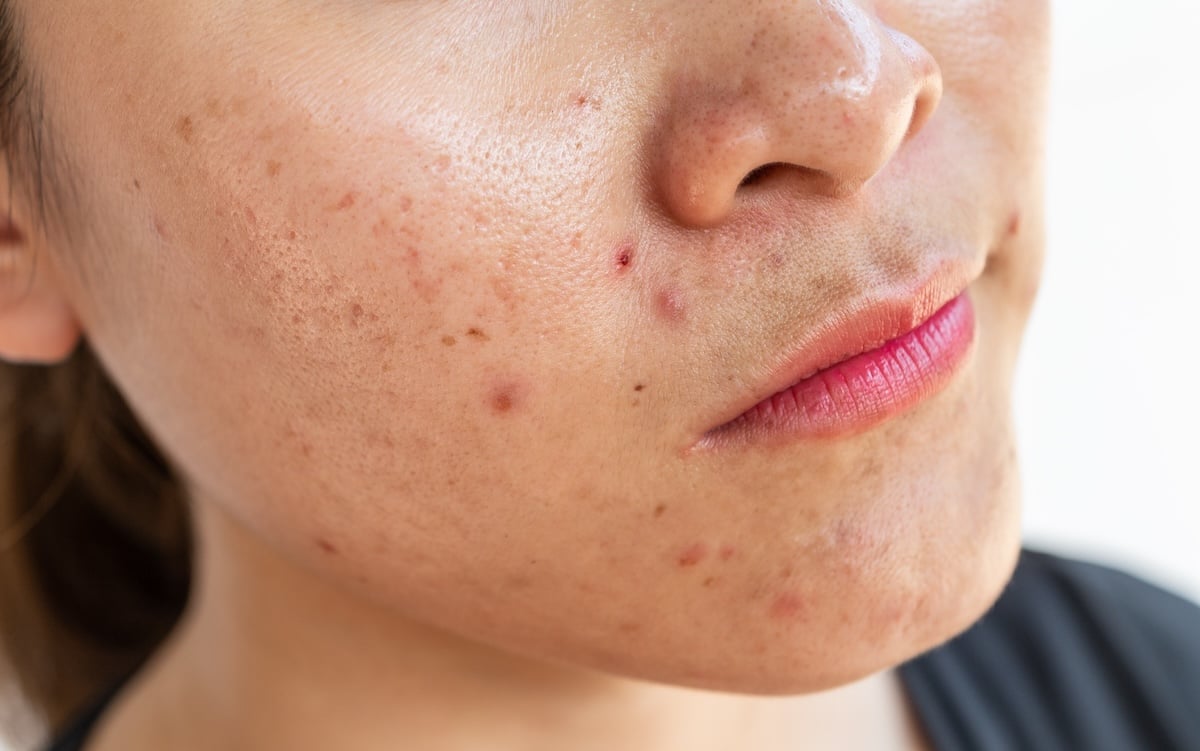
Almost everyone experiences a standard breakout at some point. A clogged pore turns into a blemish, you apply a spot treatment, and within a few days, it begins to fade. But what happens when that “pimple” doesn’t follow the normal rules?
Sometimes, what looks like an everyday acne spot is actually a sign of a deeper skin issue, an infection, or a condition that over-the-counter salicylic acid simply cannot fix. Knowing the difference can save you from permanent scarring or serious health complications.
The “2-3 Day Rule” for Safe Skin
When evaluating a new, angry spot on your skin, the most effective baseline is the 2-3 Day Rule.
A standard pimple will typically stabilize, come to a head, or begin to shrink within 48 to 72 hours of appearing. However, if the lesion is rapidly expanding, becoming deeply tender, radiating heat, or causing swelling in the surrounding tissue within that 2 to 3-day window, you are no longer dealing with a standard breakout.
At this stage, attempting to pop, squeeze, or aggressively treat the area at home can drive bacteria deeper into the dermis and trigger a severe inflammatory response.
3 Signs Your “Pimple” Requires a Dermatologist
If your blemish fails the 2-3 Day Rule, or if you notice any of the following symptoms, it is time to seek professional medical evaluation.
1. It is Deep, Painful, and Never Comes to a Head
If you have a hard, painful lump deep beneath the skin that persists for weeks without ever forming a whitehead, you are likely dealing with cystic acne or an epidermoid cyst.
- The Risk: These are essentially inflamed balloons of keratin and bacteria deep in the skin. Squeezing them causes the cyst wall to rupture internally, leading to severe inflammation and inevitable ice-pick or boxcar scarring.
- The Solution: A dermatologist can provide a targeted cortisone injection to rapidly reduce the inflammation within 24 hours, preventing tissue damage.
2. It is Hot, Rapidly Spreading, or Accompanied by a Fever
If a spot becomes intensely red, warm to the touch, and expands noticeably over a few hours or days, it may be a bacterial infection such as staph or MRSA.
- The Risk: These infections can easily mimic a large pimple or spider bite in their early stages. If left untreated, the infection can spread into the surrounding tissue (cellulitis) or enter the bloodstream.
- The Solution: This requires immediate evaluation and prescription oral or topical antibiotics.
3. It Bleeds, Scabs, and Refuses to Heal
A pimple that lingers for more than four to six weeks without completely healing is a major red flag. If the spot bleeds easily when you wash your face, scabs over, and then eventually bleeds again, it must be evaluated for skin cancer.
- The Risk: Both Basal Cell Carcinoma (BCC) and Squamous Cell Carcinoma (SCC) frequently present as pearly, pimple-like bumps or persistent, scaly patches that refuse to heal.
- The Solution: A clinical skin check and a simple biopsy can rule out malignancy or catch skin cancer early when it is highly treatable.
Stop the DIY Skin Surgery
When an unexplained spot appears, the temptation to extract it is high. However, treating a cyst, an infection, or a suspicious lesion with aggressive physical exfoliation or extraction tools almost always worsens the outcome.
If you have a spot that is failing the 2-3 Day Rule, or if your acne is leaving behind permanent indentations and dark marks, it is time to step away from the magnifying mirror.
If you are struggling to manage persistent breakouts or have a specific spot that is causing concern, our team at Seacoast Dermatology is here to help. Schedule a consultation to get an accurate diagnosis and a customized, clinical treatment plan.