Hair loss can be frustrating, emotional, and sometimes alarming. Whether you’re noticing increased shedding in the shower, thinning at the crown, or widening of your part, you’re not alone. Millions of men and women experience hair thinning at some point in their lives — and the good news is that effective treatments are available.
At Seacoast Dermatology, our board-certified dermatologists evaluate the underlying cause of hair loss and develop a personalized treatment plan designed to restore hair health and confidence.
What Causes Hair Loss?
Hair loss (also called alopecia) can occur for many different reasons. Identifying the cause is the most important step toward successful treatment.
1. Androgenetic Alopecia (Genetic Hair Loss)
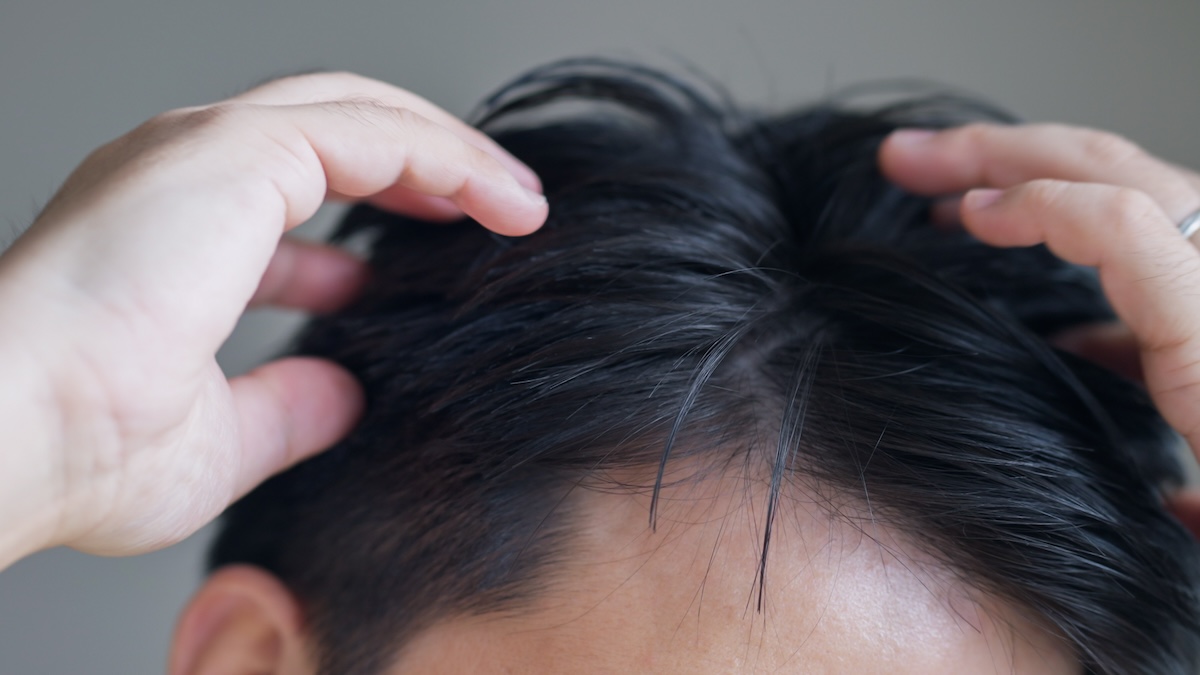
Often called male- or female-pattern hair loss, this is the most common cause of thinning hair. It’s influenced by genetics and hormones and typically presents as:
- Receding hairline or thinning crown in men
- Gradual widening of the part or diffuse thinning in women
This type of hair loss is progressive but highly treatable when addressed early.
2. Telogen Effluvium (Stress-Related Shedding)
This temporary condition causes sudden shedding, often triggered by:
- Illness or surgery
- Childbirth
- Major stress
- Rapid weight loss
- Hormonal shifts
- Certain medications
Hair typically regrows once the underlying trigger is addressed, but evaluation is important to rule out other causes.
Alopecia Areata (Autoimmune Hair Loss)
An autoimmune condition that causes round, smooth bald patches on the scalp or other areas of the body. It can occur at any age and may require targeted medical therapy.
4. Medical & Hormonal Conditions
Thyroid disorders, iron deficiency, polycystic ovarian syndrome (PCOS), and other systemic conditions can contribute to hair thinning. That’s why a medical evaluation is essential rather than relying solely on over-the-counter products.
How Dermatologists Diagnose Hair Loss
At Seacoast Dermatology, diagnosis may include:
- A detailed medical history
- Scalp examination
- Dermoscopy (magnified scalp evaluation)
- Bloodwork when indicated
- Occasionally, a scalp biopsy
Hair loss is rarely “just cosmetic.” It can reflect underlying medical or hormonal changes that deserve expert attention.
Hair Loss Treatment Options
Treatment depends entirely on the cause. Our dermatology team creates a customized plan tailored to your diagnosis and goals.
Topical & Oral Medications
- Prescription-strength topical treatments
- Oral medications to slow hair loss progression
- Anti-inflammatory treatments when needed
Platelet-Rich Plasma (PRP)
PRP uses your body’s own growth factors to stimulate hair follicles and improve density.
Injectable Treatments
Certain types of hair loss, including alopecia areata, may respond to targeted corticosteroid injections.
Nutritional & Hormonal Support
Correcting iron deficiency, thyroid imbalance, or other contributing factors can significantly improve outcomes.
Early Intervention Matters
The sooner treatment begins, the better the chance of preserving and regrowing hair. Once follicles are inactive for too long, regrowth becomes more difficult.
When Should You See a Dermatologist for Hair Loss?
You should schedule an evaluation if you notice:
- Sudden or excessive shedding
- Thinning that continues to worsen
- Patchy bald spots
- Scalp redness, itching, or pain
- Hair loss after illness or major life stress
Board-certified dermatologists are specifically trained to diagnose and treat hair and scalp disorders — something general providers may not specialize in.
Compassionate, Expert Care in New Hampshire
Hair loss can affect self-esteem and quality of life. At Seacoast Dermatology, our experienced dermatology team provides thorough evaluation, advanced treatment options, and supportive guidance every step of the way.
If you’re concerned about hair thinning or shedding, don’t wait. Early assessment leads to better outcomes — and peace of mind.
Schedule a consultation today to discuss your hair restoration options.