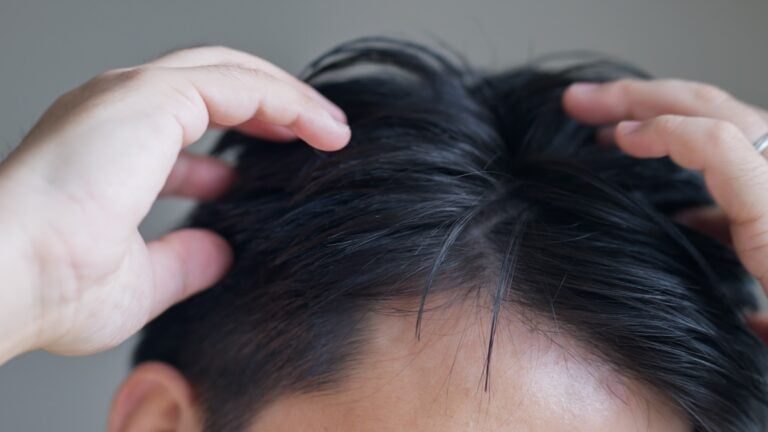
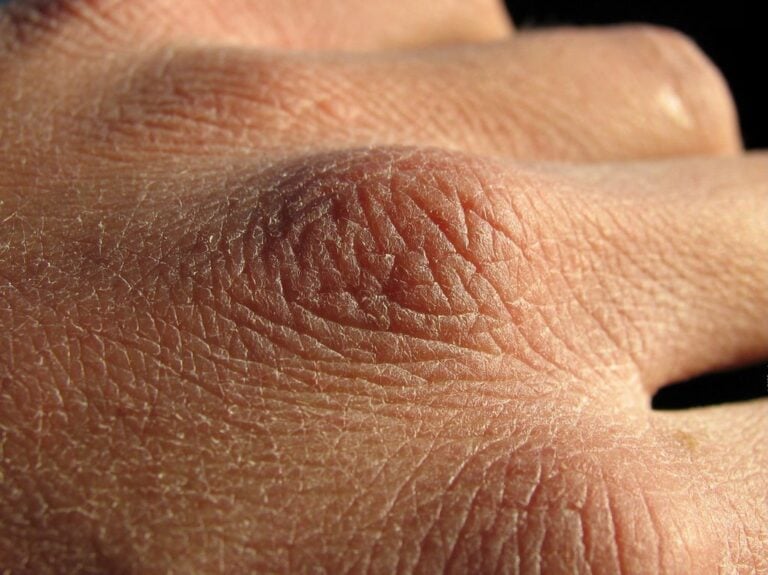
When the crisp autumn air rolls in and the temperature drops, many people in New Hampshire begin to notice their skin feeling tighter, drier, or more sensitive. For some, this means a bit of seasonal discomfort — for others, it can trigger flare-ups of chronic skin conditions like eczema, psoriasis, or rosacea. At Seacoast Dermatology, we see this every year as colder weather and indoor heating combine to put stress on the skin barrier.
Dry Skin (Xerosis): Why It Happens and How to Prevent It
As humidity drops in fall and winter, moisture in your skin evaporates more easily. Indoor heating further dries the air, and frequent hot showers can strip the skin’s natural oils. The result: itchy, flaky, or cracked skin — sometimes called “winter itch.”
Simple prevention steps:
- Moisturize right after bathing. Use a cream or ointment rather than lotion, and apply it while the skin is still slightly damp to seal in moisture.
- Use gentle, fragrance-free cleansers. Harsh soaps and body washes can worsen dryness.
- Avoid very hot showers. Warm water is less irritating and less drying.
- Add moisture to indoor air. A humidifier can help balance the dry heat of furnaces.
- Protect exposed skin outdoors. Gloves, scarves, and hats can help minimize windburn and cold exposure.
When treatment is needed:
If over-the-counter moisturizers aren’t enough, prescription creams or barrier repair products may be recommended. Severe dryness that causes fissures or itching should be evaluated by a dermatologist to prevent infection or worsening eczema.
Seasonal Flares of Eczema, Psoriasis & Rosacea
Many people with chronic skin conditions experience worsening symptoms during the colder months. For example:
- Eczema (atopic dermatitis) often flares due to dryness and barrier disruption.
- Psoriasis can worsen when skin becomes dry or irritated.
- Rosacea is sensitive to temperature changes, wind exposure, and indoor heating.
Prevention & flare control tips:
- Stick to your skincare routine. Use gentle, hydrating products and avoid strong exfoliants or harsh actives.
- Layer your skincare. Pair a humectant (like hyaluronic acid or glycerin) with a barrier-strengthening cream.
- Avoid triggers. Common culprits include long, hot showers, fragranced products, and alcohol-based skincare.
- Stay warm — but not overheated. Overheating can worsen rosacea and make skin more sensitive.
- Seek early medical care. Adjusting topical prescriptions or light therapy before symptoms peak can help prevent severe flares.
When to See a Dermatologist
If dryness or irritation lingers despite good skincare habits, or if chronic skin conditions are flaring more often than usual, professional care can make a big difference. Targeted treatments can repair the skin barrier, reduce inflammation, and prevent complications like infection or worsening rashes.
At Seacoast Dermatology, our team can help you create a personalized plan to protect your skin through the colder months.
Schedule an appointment today to keep your skin healthy, hydrated, and comfortable all season long.