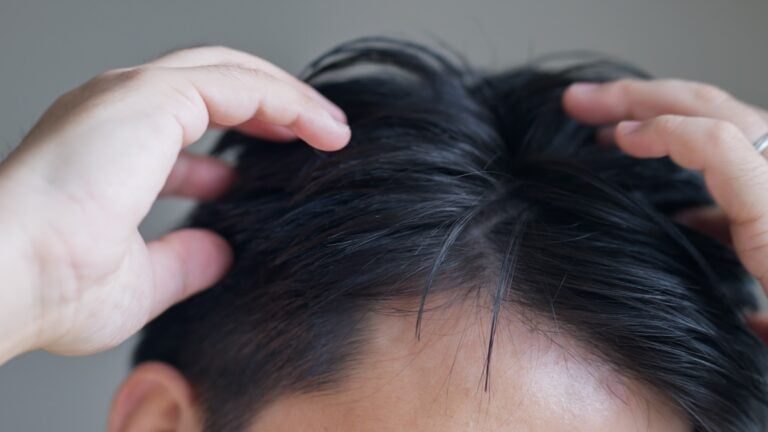
Winter in New Hampshire is beautiful—but it can be tough on your skin. Cold temperatures, dry air, wind, and indoor heating all work against your skin’s natural moisture barrier. As a result, dermatologists see a predictable rise in certain skin conditions during the winter months.
If your skin feels itchy, cracked, inflamed, or painful this time of year, you’re not alone—and professional treatment can make a real difference.
Common Skin Conditions We Treat in Winter
❄️ Dry Skin (Xerosis)
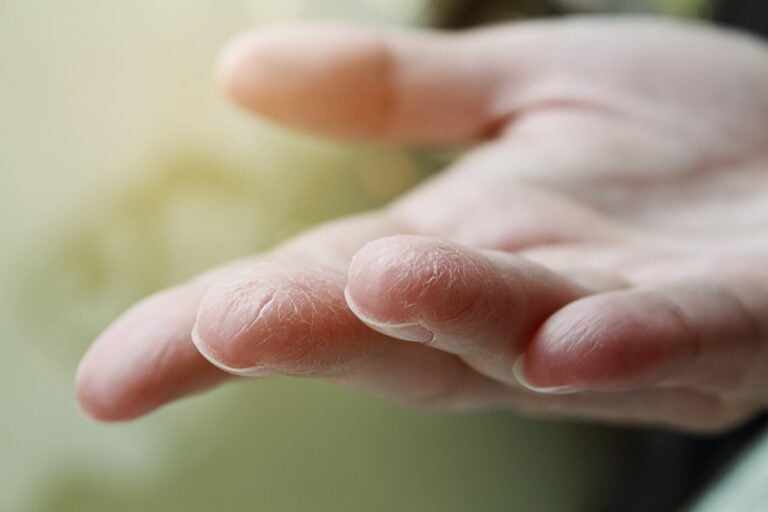
Dry skin is the most common winter skin complaint. Cold outdoor air and dry indoor heat strip moisture from the skin, leading to tightness, flaking, itching, and sometimes painful cracks—especially on the hands, legs, and arms.
While over-the-counter moisturizers help, persistent dryness may signal a weakened skin barrier that benefits from dermatology-guided care.
❄️ Eczema (Atopic Dermatitis)
Winter is a peak season for eczema flare-ups. Cold weather, hot showers, harsh soaps, and heavy fabrics can all trigger redness, itching, and inflammation.
If eczema worsens despite good skincare habits, prescription treatments and customized care plans can help restore comfort and prevent infection.
❄️ Chapped Lips (Cheilitis)
Severely chapped lips aren’t just uncomfortable—they can crack, bleed, and become infected. Lip licking, wind exposure, and dehydration often make the problem worse.
A dermatologist can recommend effective treatments and identify whether allergies or underlying skin conditions are contributing.
❄️ Hand Dermatitis
Frequent handwashing, sanitizers, cold air, and glove use make hand dermatitis especially common in winter. Symptoms include redness, cracking, burning, and pain that can interfere with daily activities.
Dermatology care can help heal the skin and prevent repeated flare-ups.
❄️ Psoriasis
Many people with psoriasis experience worsening symptoms in winter due to reduced sunlight and increased dryness. Scaling, itching, and plaque thickness may increase this time of year.
Winter is often an ideal time to reassess treatment options and regain control before symptoms escalate.
❄️ Rosacea
Cold weather, wind, and rapid temperature changes—like going from outdoors into a heated room—can trigger rosacea flare-ups. Persistent redness, flushing, and burning are common winter complaints.
With proper treatment and skincare adjustments, rosacea can be managed year-round.
When Should You See a Dermatologist?
You should consider a dermatology visit if:
- Symptoms don’t improve with basic skincare
- Skin becomes painful, cracked, or infected
- Chronic conditions flare repeatedly
- You’re unsure whether a rash or irritation is serious
Early treatment often prevents worsening symptoms and long-term skin damage.
Expert Winter Skin Care in New Hampshire
At Seacoast Dermatology, our board-certified dermatology team understands how New Hampshire winters affect your skin. We provide personalized care for medical, cosmetic, and preventive skin concerns—helping patients stay comfortable and confident all year long.
If winter skin problems are affecting your quality of life, schedule an appointment today and get expert care tailored to New England’s climate.