Seacoast Dermatology – Portsmouth, New Hampshire
New England winters are beautiful—but they’re also notoriously harsh on the skin. Here at Seacoast Dermatology in Portsmouth, NH, we see a significant rise in patients struggling with xerosis (severe dry skin) and a condition commonly called “winter itch.” When temperatures drop, humidity levels fall, and indoor heating intensifies, the skin’s natural moisture barrier becomes compromised. The result: tightness, scaling, flaking, and persistent itchiness that can make daily life uncomfortable.
If you’re dealing with chronic dry skin in winter, this guide will help you understand what’s happening to your skin—and what you can do to finally get relief.
What Is Xerosis?
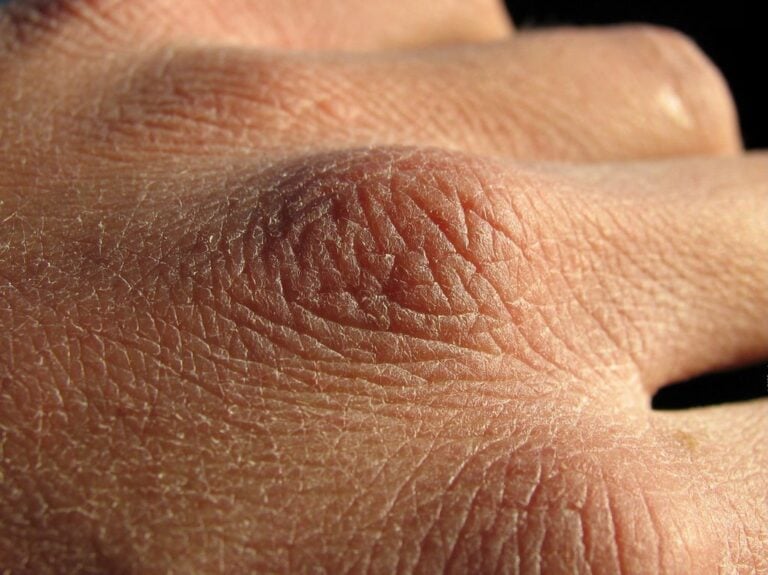
Xerosis is the medical term for abnormally dry, rough, or scaly skin. While dryness can occur year-round, symptoms become significantly worse during winter due to environmental changes.
Common signs of xerosis:
- Rough, cracked, or peeling skin
- Itching that worsens after hot showers
- White or gray ashy patches
- Fine lines or fissures
- Tightness after washing
- Red or inflamed areas
Many patients describe this as “winter itch”, particularly when dryness becomes severe enough to disrupt sleep or daily activities.
Why Winter Makes Dry Skin Worse in New Hampshire
Portsmouth and the surrounding Seacoast region experience cold temperatures, strong winds, and months of low humidity—all major contributors to dry skin.
Winter causes dry skin because:
- Cold air holds less moisture, causing rapid water loss from the skin.
- Indoor heating systems strip humidity from your environment.
- Hot showers deplete natural oils and weaken the skin barrier.
- Wind exposure accelerates moisture loss and causes irritation.
- Reduced sun exposure can decrease skin barrier repair.
These factors combine to create the perfect storm for dry, itchy winter skin.
Who Is Most At Risk?
While anyone can develop xerosis, certain groups are more prone:
- Older adults
- Individuals with eczema or psoriasis
- People with diabetes or thyroid conditions
- Frequent swimmers
- Those who bathe in hot water
- People using strong exfoliants or acne medications (retinoids, benzoyl peroxide, AHAs)
If you fall into one of these categories, you may notice more frequent or more severe winter dryness.
When Dry Skin Becomes a Medical Issue
You should schedule an appointment with Seacoast Dermatology if you notice:
- Cracks that bleed
- Persistent redness or inflammation
- Intense itching that disrupts sleep
- Symptoms that do not improve with moisturizer
- Signs of eczema or infection
Severe xerosis can resemble—or progress into—conditions like eczema, dermatitis, or fungal infections, which require professional treatment.